Can Portable Solar Panels Power a Full Camping Setup?


Camping offers a unique way to disconnect from the hustle of daily life, providing an opportunity to connect with nature. However, even the most adventurous campers often require some comforts of modern life, like lighting, cooking appliances, and mobile devices. This need raises a crucial question: can portable solar panels power your entire camping setup? Portable solar panels can indeed provide a sustainable energy solution for outdoor adventures, offering a convenient and eco-friendly way to keep your gear charged and ready. Before setting off on your next camping trip, it’s essential to understand how these solar panels work and whether they can meet your specific power needs. This guide will explore how to determine your camping power requirements, choose the right solar panel system, and efficiently set up your solar-powered campsite.
Understanding Your Camping Power Needs
Understanding your power needs is the first step towards a successful solar-powered camping experience. Before choosing a solar panel, assess the gear you plan to bring and estimate their energy demands. This process involves listing essential devices and calculating their daily energy consumption.
List Your Essential Camping Devices
Start by creating a list of essential devices you’ll need during your trip. Common camping devices include LED lights, a portable stove, a camera, GPS equipment, and smartphone chargers. Each device will have specific wattage and usage time, which are key factors in determining your overall power needs. For instance, an LED light might require 5 watts, whereas a portable fan could need 20 watts. Prioritizing essential devices allows you to focus on powering the necessary equipment without consuming extra energy.
Calculate Daily Energy Consumption
To calculate daily energy consumption, you first need the wattage and estimated daily usage in hours for each device. Multiply the wattage by the hours used to find the watt-hours necessary for each gadget. Sum up all devices to get the total daily energy requirement. For example, if your LED light (5 watts) runs for 4 hours, it consumes 20 watt-hours. Repeat this calculation for other devices in your list and sum the total. This total provides a target for your solar panel system, ensuring it can cover your daily energy consumption while camping.
Choosing the Right Portable Solar Panel System
Once you know your power needs, the next step is selecting a suitable portable solar panel system. The system should reliably meet your energy demands while being easy to transport and set up.
Types of Portable Solar Panels
Portable solar panels come in three main types: monocrystalline, polycrystalline, and thin-film. Monocrystalline panels, highly efficient and space-saving, suit campers needing maximum power output with minimal footprint. Polycrystalline panels offer a balance of efficiency and affordability, often chosen by those with moderate power needs. Thin-film panels, lightweight and flexible, best serve minimalists with low power demands. Understanding each type helps you choose based on efficiency, size, and cost considerations, aligning with your specific camping requirements.
Selecting Compatible Power Stations
Choosing a compatible power station is crucial for storing and distributing solar-generated power. Look for power stations with sufficient capacity to meet your energy needs, expressed in watt-hours (Wh). Ensure the power station has necessary outputs (USB, AC, DC) to charge various appliances. Pairing the power station with your chosen solar panel type ensures integrated functionality. Careful selection guarantees consistent, reliable power across your camping adventure.
Setting Up Your Solar-Powered Camping Site
Setting up a solar-powered campsite involves strategic panel placement and proper power system management to ensure maximum efficiency and reliability.
Optimal Placement for Maximum Sunlight
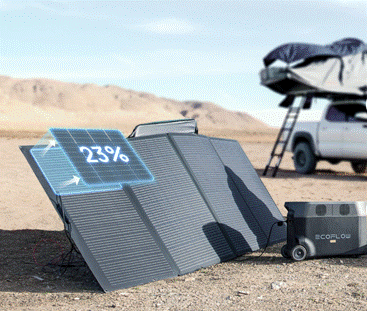
For optimal performance, place solar panels where they can receive maximum sunlight throughout the day. This often involves a location far from trees or structures that may cast shadows. If camping in an open area, position the panels facing true south (in the northern hemisphere) at an angle that matches the latitude of your camping location. For mobile setups, using a tilting mount can help adjust the angle to follow the sun’s path, improving daily efficiency. Monitor the setup periodically to prevent obstructions from reducing solar intake.
Connecting and Managing Your Power System
After setting up the panels, connect them to the power station using appropriate cables and connectors. Ensure all connections are secure to prevent energy loss. Most power stations come with indicators or apps for monitoring power levels; use these tools to track energy consumption and recharge times. Prioritize charging essential devices first, shifting to less critical ones as energy allows. Regularly inspect all connections and ensure panels remain free of dust or debris that might hinder performance.
Conclusion
Portable solar panels can effectively power a full camping setup with proper planning and equipment selection. By identifying your power needs, choosing the right solar panels and compatible power stations, and strategically setting everything up, you can enjoy the great outdoors without sacrificing modern conveniences. This sustainable approach not only supports an eco-friendly camping experience but also enhances your independence and self-reliance in remote environments. As you prepare for your next outdoor adventure, consider the benefits of portable solar panels and make them a part of your essential camping gear.