
Who’s Responsible for Managing Waste on a Construction Project?

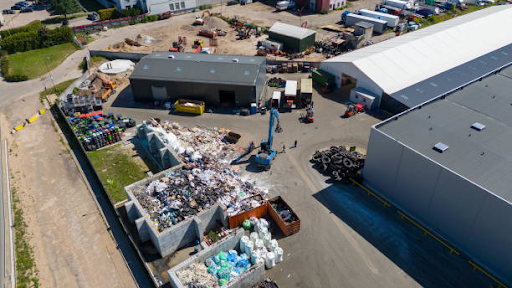
The mountain of rubbish trailing every building project isn’t magic. Nobody waves a wand and, poof, it’s handled. Piles don’t vanish because everyone simply “tries their best”. Make no mistake, leaving it to chance is a ticket to cost overruns and unhappy inspectors. A responsible construction process fundamentally relies on waste management. Indeed, regulations exist for a specific purpose. But legal obligations alone rarely drive genuine accountability. The real question is: who is truly accountable when skips overflow or fines begin to appear on desks? Let’s move on to identifying the culprits and unsung heroes responsible for the on-site waste.
Setting Up: Planning and Procurement
Planning teams already hold crucial positions before concrete is poured or bricks are laid. It starts in boardrooms and back offices where decision-makers, procurement officers, and project managers work. Even a well-known demolition company in Manchester selects materials and suppliers with waste reduction in mind. The clever ones target reusable components or seek vendors that offer take-back schemes. They’ll pore over contracts until they’re cross-eyed, looking for recycling clauses or landfill-avoidance incentives. Is it glamorous? Not remotely. But nobody wins if cheap plasterboard ends up costing triple at the dump.
The Main Act: Site Managers Take Control
Once boots hit muddy ground and cranes swing overhead, site managers grab the reins whether they like it or not. They enforce segregation between timber, metals, and plastic, all while juggling schedules and safety checks. If skips become chaos zones or hazardous scraps mix with everyday debris, fingers point straight at them (and not gently). Responsibility here means constant vigilance: signage put up before 6 am, bins checked twice daily, and rules enforced with steel nerves. Sometimes it’s thankless but always essential.
Subcontractors: The Silent Operators
Every trade leaves its own mess: plumbers setting down pipes, sparkies cutting cable, and drywallers tossing offcuts onto whatever pile’s nearest. Subcontractors play a huge role in either maintaining order or sabotaging tidy intentions entirely. Everyone expects bricklayers to keep their work area neat. Yet, too often compliance vanishes after the morning tea break: containers are ignored, routes blocked by surplus cement bags, and bins filled with lunch wrappers instead of rubble, and the domino effect begins here if not checked.
Legal Obligations: The Clients’ Burden
Legislation doesn’t mince words. Clients ultimately carry top-tier responsibility for what happens on their sites under UK law. Especially since Duty of Care rules provide no wiggle room from foundation dig to final sweep-off, clients must demand strict records, check hauliers’ licences, and require audit trails from beginning to end. Ignorance offers zero defence, so those who try to pass the blame eventually get tangled in enforcement action, lose reputation, and mount bills, with lawyers circling like vultures and assets threatened for lack of proper oversight.
Conclusion
Clear communication eats complexity for breakfast, yet plenty still slip into finger-pointing limbo when rubbish piles up faster than answers appear. In truth, managing construction waste well never boils down to one heroic manager, nor does it rest solely with regulators waving compliance forms around site huts. Success comes when planners think holistically, supervisors act decisively, trades are clean as they go, and clients insist they prove it at every stage. Quick fixes fail, and teamwork prevails. That’s a non-negotiable reality every project should face honestly right now, not someday soon.