
Understanding Emergency Light Certification and Insurance Premiums

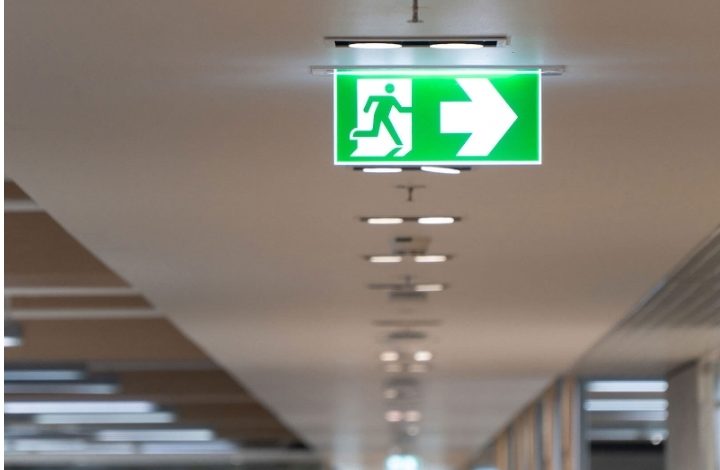
Emergency lighting plays a crucial role in ensuring occupant safety during emergencies by providing illumination in the event of a power outage or evacuation scenario. For commercial properties, having certified emergency lighting systems not only enhances safety but can also influence insurance premiums positively. Regular testing and maintenance of emergency lighting systems are essential to ensure they function as intended during critical situations. Property owners can demonstrate their commitment to safety and regulatory compliance by obtaining an Emergency Light Test Certificate from accredited providers. This certification not only verifies the proper functionality of emergency lighting but also underscores proactive risk management practices to insurance providers, potentially reducing insurance costs and enhancing overall property safety protocols.
Importance of Emergency Light Certification
1. Ensuring Compliance with Safety Standards
Emergency light certification verifies that the installed emergency lighting systems comply with relevant safety standards and regulations. Compliance with standards such as BS 5266-1 ensures that the lighting systems are designed, installed, and maintained to effectively illuminate escape routes and exits during emergencies.
2. Enhancing Occupant Safety and Evacuation Efficiency
Certified emergency lighting systems contribute to occupant safety by providing clear and visible escape routes during power failures or emergencies. Well-maintained and properly illuminated escape routes enable swift and orderly evacuations, reducing the risk of injuries and ensuring compliance with safety protocols.
Impact on Insurance Premiums
3. Risk Reduction and Loss Prevention
Insurers assess various factors when determining insurance premiums for commercial properties, including the level of risk associated with the property. Certified emergency lighting systems mitigate risks by improving visibility and safety during emergencies, thereby reducing the likelihood of accidents, injuries, or property damage. Insurers may offer discounted premiums to properties with certified emergency lighting systems due to reduced risk of claims related to emergency incidents.
4. Compliance with Insurance Requirements
Some insurance policies may include specific requirements or recommendations regarding emergency lighting systems. Maintaining certified emergency lighting systems ensures compliance with insurance policy conditions related to safety measures and risk management practices. Compliance with insurer requirements can positively influence premium rates and coverage terms.
Collaboration with Insurance Providers
5. Communicating Certification and Maintenance Practices
Property owners can leverage emergency light certification to communicate proactive safety measures to insurance providers. Providing evidence of certification, along with documented maintenance practices and regular inspections of emergency lighting systems, demonstrates a commitment to safety and risk reduction. Clear communication of certification status and adherence to safety standards strengthens the property’s risk profile in the eyes of insurers.
6. Negotiating Favorable Premiums
Certified emergency lighting systems and proactive safety practices can serve as negotiating points when discussing insurance premiums with providers. Property owners can highlight the investment in safety, compliance with standards, and reduced risk exposure associated with certified emergency lighting systems to negotiate lower premiums or favorable terms. Insurers may view properties with certified emergency lighting as lower risk, leading to potential cost savings on insurance premiums.
Conclusion
In conclusion, emergency light certification significantly impacts insurance premiums for commercial properties by enhancing safety, reducing risks, and demonstrating compliance with regulatory standards and insurer requirements. Certified emergency lighting systems contribute to occupant safety during emergencies, facilitate efficient evacuations, and mitigate potential losses or liabilities. Property owners who invest in certified emergency lighting systems not only prioritize safety but also potentially benefit from reduced insurance premiums and improved coverage terms. By aligning with safety standards, maintaining certification, and collaborating with insurers to communicate proactive safety measures, commercial property stakeholders can optimize insurance costs while safeguarding occupants and assets against emergency risks. For streamlined safety certifications tailored to landlord requirements, partnering with Landlord Certification ensures comprehensive solutions that meet regulatory standards and enhance tenant safety protocols,If you want to stay updated with posts like this, please follow us on BUSINESSWORTH.