
Supply-Chain Shielding: Risk Mitigation from Factory to Front Door

In today’s fast-paced global marketplace, supply chains form the backbone of business operations—linking manufacturers and suppliers to logistics providers, distributors, retailers, and ultimately customers. This intricate network of handoffs and touchpoints also introduces vulnerabilities that can disrupt efficiency, shrink profit margins, and erode customer trust. A single delay caused by extreme weather, political turmoil, cyberattacks, or logistical bottlenecks can ripple through the entire chain, resulting in significant financial losses and reputational damage. To defend against these threats, companies must adopt a holistic, proactive strategy that identifies risks early, reinforces weak links, and leverages technology and partnerships to build resilience at every stage.
Risk Identification and Assessment
Effective supply-chain protection begins with comprehensive risk identification and assessment. Organizations must map every node and connection—raw-material sourcing, manufacturing sites, transport routes, warehouses, and retail outlets—to spotlight potential failure points. Risks fall into four broad categories: environmental (storms, earthquakes, pandemics), economic (currency fluctuations, commodity price spikes), technological (system outages, software vulnerabilities), and geopolitical (trade policy changes, civil unrest).
A thorough risk analysis combines quantitative metrics—like supplier performance scores and transit-time variability—with qualitative insights gleaned from subject-matter experts. Workshops and tabletop exercises enable stakeholders to simulate disruption scenarios and stress-test existing contingency plans. By ranking risks according to likelihood and impact, teams can prioritize mitigation efforts on the most critical vulnerabilities. Importantly, acknowledging that no supply chain is immune to disruption fosters a culture of vigilance and continuous improvement.
Building Strong Partnerships and Collaboration
No company can fortify its supply chain in isolation. Robust risk mitigation depends on trusted relationships with suppliers, contract manufacturers, freight carriers, customs brokers, and third-party service providers. Selecting partners involves vetting financial stability, operational capabilities, and compliance track records. Once onboarded, collaborative planning—joint demand forecasting, synchronized production schedules, and shared safety-stock levels—enables partners to respond quickly to shifts in demand or supply constraints.
Regular performance reviews and open-book communication foster transparency and accountability. When a natural disaster or factory fire strikes, established escalation protocols and direct communication channels allow partners to coordinate alternate sourcing, reallocate inventory, and expedite shipments. By aligning incentives—through shared savings models or penalty clauses for missed deadlines—companies ensure that every link in the chain has a vested interest in maintaining uninterrupted flow.
Investing in Technology and Digital Tools
Digital solutions play a pivotal role in modern supply-chain risk mitigation. Real-time monitoring platforms track shipments from origin to destination, automatically flagging exceptions like temperature excursions in cold-chain cargo or unplanned route deviations. Predictive analytics sift through historical data and external indicators—weather patterns, port congestion statistics, political election cycles—to forecast potential disruptions before they occur.
Blockchain applications enhance traceability and trust, creating immutable audit trails for high-value components and regulated goods. Internet of Things (IoT) sensors embedded in containers and pallets feed live data into cloud dashboards, giving operations teams end-to-end visibility. Robotics and warehouse automation reduce dependency on manual labor, cutting human-error risk and improving throughput. By selectively adopting these technologies, businesses can tighten controls without inflating operational costs.
Enhancing Visibility Across the Supply Chain
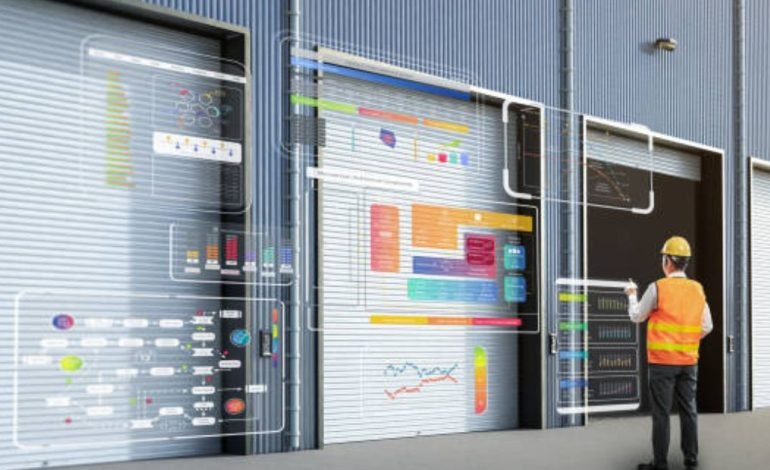
Transparent visibility is the cornerstone of proactive risk mitigation. Without clear insight into the location, status, and condition of goods, companies react to crises rather than preempting them. A unified control tower—fed by integrated data from ERP systems, transportation management software, supplier portals, and customer-order platforms—enables teams to visualize the entire network on a single user interface.
This panoramic view helps identify bottlenecks—such as rail-terminal backlogs or customs delays—so that alternate routings or expedited air shipments can be arranged swiftly. It also supports dynamic prioritization: if a critical component falls behind schedule, procurement can reroute secondary suppliers, while logistics reroutes existing orders, minimizing production downtime. Enhanced visibility builds trust among stakeholders and reassures customers that businesses are on top of potential delays.
Strengthening Physical and Cybersecurity Measures
Physical security remains a foundational element in supply-chain defense. Warehouses, distribution centers, and ports must be equipped with controlled access gates, perimeter fencing, and alarmed entry points. Installing a modern security camera system at chokepoints—loading docks, high-value storage zones, and external perimeters—acts as both a deterrent and an investigative tool when incidents occur. Secured yards and well-lit facilities discourage theft, vandalism, and unauthorized access.
Equally critical is cybersecurity. As supply chains digitize, they expose sensitive data—customer records, proprietary process designs, and inventory levels—to cyber threats. Network segmentation, endpoint protection, and multi-factor authentication guard against unauthorized intrusions. Regular vulnerability scans and penetration tests identify weaknesses in both on-premise and cloud infrastructures. Encryption of data in transit and at rest, along with strict access-control policies, prevents malicious actors from intercepting or tampering with operational communications. Robust incident-response playbooks and crisis-management drill exercises ensure swift containment should a breach occur.
Conclusion
Supply-chain shielding requires a comprehensive, multi-layered approach that spans risk identification, partnership collaboration, technological investment, end-to-end visibility, and fortified security measures. By integrating these elements, organizations build resilience capable of withstanding both foreseeable disruptions and sudden crises. Proactive risk assessment allows teams to stay ahead of potential chokepoints, while strong external alliances and real-time monitoring create the agility needed to reroute or expedite shipments on demand. Bolstered by physical and cybersecurity defenses, companies safeguard assets and information from exploitation. In an era where customer expectations for timely delivery are higher than ever, investing in supply-chain protection is not an optional expense—it’s a strategic imperative that preserves profitability, reinforces brand promise, and secures competitive advantage.