Startup Funding Explained: Everything Founders Need to Know

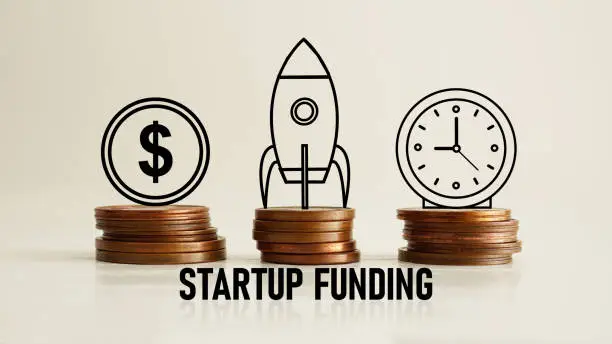
At some point, every founder has to ask, “How do I get my startup funded?” The startup funding process is one of the most important things to understand in any small business or tech startup to make your idea a viable and sustainable business. Whether it’s funding stages, ideas, or platforms, this guide’s got you covered as far as finding the right investment.
What is startup funding?
Startup funding is money raised to support a startup’s growth and development, such as to build the product, hire staff, market the product and services, and maintain operations. In early startup days, very few startups grow 100% out of their own revenue and thus seek external business startup funding to outpace the competition and grow faster.
When it comes to finding the money to fund, it isn’t simply about the money; it’s also about credibility. Investors or platforms with large reputations that invest in startups have a higher likelihood of helping to validate the market, provide mentorship, and connect them to the industry.
Understanding Startup Funding Stages
One of the most confusing parts of raising capital is understanding the different startup funding stages. Each stage represents a different level of business maturity and risk.
| Stage | What It’s For | Typical Source |
| Pre-Seed | Validating the idea | Personal savings, friends, family |
| Seed | Building an MVP, testing the market | Angel investors, early-stage VCs |
| Series A | Scaling a proven model | Venture capital firms |
| Series B+ | Expanding market reach and team | Growth-stage VC firms |
| IPO / Acquisition | Going public or being acquired | Public markets, acquiring companies |
Understanding your business’s stage enables you to pitch to investors who are most suitable to your company—and not a single one who isn’t prepared to provide financing at the moment.
Popular Startup Funding Platforms
Founders nowadays have more options than ever, with online startup funding platforms. These platforms broker the direct link between entrepreneurs and investors, crowdfunding communities, or lending institutions.
| Platform Type | Best For |
| Equity crowdfunding | Raising capital from the public in exchange for equity |
| Reward-based crowdfunding | Product-based startups pre-selling to backers |
| Angel investor networks | Early-stage startups needing individual investors |
| Venture capital marketplaces | Matching startups with VCs by industry and stage |
Using the right startup funding platform can save months of networking and cold outreach, especially for first-time founders who don’t have existing investor relationships.
Business Startup Funding for Small Businesses
Not all founders are creating the next start-up unicorn; there are lots of small, local, service-based businesses being founded. The capital needs of entrepreneurs seeking start-up capital can be different than those of a venture-backed startup and may favor a steady cash flow and manageable debt rather than growth. Common options include
- SBA loans—government-backed, low interest rates
- Non-dilutive, local business grants—no repayment.
- CDFIs provide access to credit with flexible terms and flexible underwriting for community-based institutions.
- Microloans are small loans that are quick to process and have low standards for approval.
- Business development
The Rise of AI Startup Funding
The investment landscape is experiencing a shift. When it comes to the ability to get money to fund, it isn’t just about the money; it’s also about credibility. A high-profile investor or platform investing in a startup increases the chances that the company will get further assistance, such as industry connections, mentorship, and market validation.
One of its most significant transformations at this moment, with increased investment in AI startups. These are the startups that are getting investor interest for using AI to address practical business challenges, ranging from automation to analytics and customer service to healthcare. If you’re incorporating AI in a meaningful way, mention it in your pitch in a way that will raise your chances of getting funded, because AI startups are currently getting an overwhelming amount of VC attention.
Funding opportunities for startups in the country and around the world.
There is no longer a limit to your home country for funding. Global accelerators, cross-border VC companies, and international crowdfunding websites have made it easier for startups to access international capital. Founders can also look into Startup visas and grants offered by the governments of countries like the UK, Canada, Singapore, and other global accelerator programs like Y Combinator and Techstars. The other networking options to explore are cross-border angel investor networks and development funds specializing in emerging markets—particularly if your startup is seeking to grow beyond home borders. Access to international startup finance can be essential to accessing new markets and can provide your business with a competitive advantage early on.
Startup Funding Ideas Beyond Traditional Investors
If venture capital or bank loans aren’t the right fit, there are plenty of alternative startup funding ideas worth exploring.
| Idea | How It Works |
| Revenue-based financing | Repay investors as a % of monthly revenue. |
| Strategic partnerships | Share resources with established companies. |
| Pitch competitions | Win funding through startup contests. |
| Customer pre-sales | Fund development through early sales |
| Government grants | Non-dilutive funding for innovation |
The creative strategies available to startups for obtaining funding to start their businesses can help the founders to keep their equity intact as they acquire capital to expand their businesses.
Finding the Right Startup Funding Companies
Not every startup capital firm is the same when it comes to funding a business. Others may invest in early-stage businesses, others in business growth, or in certain sectors such as fintech, healthtech, or SaaS. Before starting any interaction with a firm, check their:
- Conducts an investment analysis to verify that the industry is appropriate for the investment.
- Average check size—matches your funding stage.
- Trained in the art of portfolio companies, demonstrates a successful track record and reputation.
- Founder reviews are a feature that can be used to learn about what it’s actually like to work with them.
You have better chances of getting funded, as well as forming a lasting relationship with the funding company, when you’re matched with the right startup.
Final Thoughts
Funding a startup is not just about having a brilliant idea; it’s also about comprehending the funding landscape, selecting the appropriate stage-appropriate approach, and identifying the right sources for funding, such as a local SBA loan, an AI-focused VC firm, or an international accelerator. Founders can navigate all the available startup funding options of the day and create a funding strategy that aligns with their business goals and growth stage.
About The Author