
Image Search Techniques: A Complete Guide to Finding Visual Information Online


Images are very important in the current digital world in communication, research, marketing, and online discovery. The visual content on the internet comes in billions of images, making it hard to find the correct one without appropriate mechanisms. Image search methods are needed in this. Such methods enable users to find, check, interpret as well and comprehend images in a better way in search engines and online platforms.
Having an idea of the image search and knowledge of how to utilize the more complicated image search methods will save time, enhance accuracy, and help in better decision-making in personal and professional settings.
What Are Image Search Techniques?
Image search techniques can be defined as the means of retrieving images or information connected with images with the help of search engines and specific tools. Image searches, as opposed to the use of text searches, are based on visual features, including colors, shapes, patterns, metadata, and certain contextual evidence.
These methods are popular among such fields of application as digital marketing, journalism, academic research, cybersecurity, brand protection, and online investigations. Using the appropriate image search methods, the user is able to find out the source of an image, find similar images or even find out images that have been manipulated or duplicated.
Reverse Image Search as a Core Technique
Reverse image search is one of the most popular image search methods. Users do not type keywords; instead, they upload an image or provide an image URL into a search engine. The system then compares the visual information and gives similar or the same images that it finds on the internet.
Image search Reverse image search is found especially useful in checking the authenticity of images, copyright breaches, and detecting falsified/ misleading images. This is a common practice among journalists and researchers in attempts to verify the authenticity of viral images and avert the transmission of fake news.
Keyword-Based Image Search Techniques
Image search is visual, but keywords are also rather important. Proper and descriptive keywords will help search engines align the intent of users with the relevant images. Adding the keywords that support the main one, e.g., colors, places, time of use, etc., enhances the search outcomes.
For example, the inclusion of modifiers such as high resolution, royalty-free, or infographic can greatly narrow the search results. This image search technique in which images are searched with the help of a keyword, is one of the most useful ones in marketing and content production.
Advanced Filters and Search Tools
Modern search engines offer advanced filters that enhance image search techniques. These filters allow users to narrow results by image size, color, type, usage rights, and upload date. Using filters helps eliminate irrelevant images and ensures compliance with copyright regulations.
Time-based filtering is especially helpful when searching for recent visuals related to news events or trending topics. Similarly, filtering by image type, such as photos, illustrations, or diagrams, supports more targeted visual discovery.
Image Metadata and Contextual Analysis
Another powerful image search technique involves analyzing image metadata and surrounding context. Metadata may include file names, alt text, captions, and embedded information that provides clues about an image’s origin and purpose.
Contextual analysis focuses on the webpage content where the image appears. Understanding how and where an image is used can reveal whether it has been taken out of context or altered. This technique is widely applied in digital investigations and content verification processes.
AI-Powered Image Search Techniques
Artificial intelligence has transformed image search techniques by enabling more accurate visual recognition. AI-driven tools can identify objects, faces, landmarks, and text within images. These technologies improve search accuracy by understanding image content rather than relying solely on keywords.
AI-based image recognition is commonly used in e-commerce, security systems, and social media platforms. It helps users find visually similar products, detect unauthorized brand usage, and analyze large volumes of images efficiently.
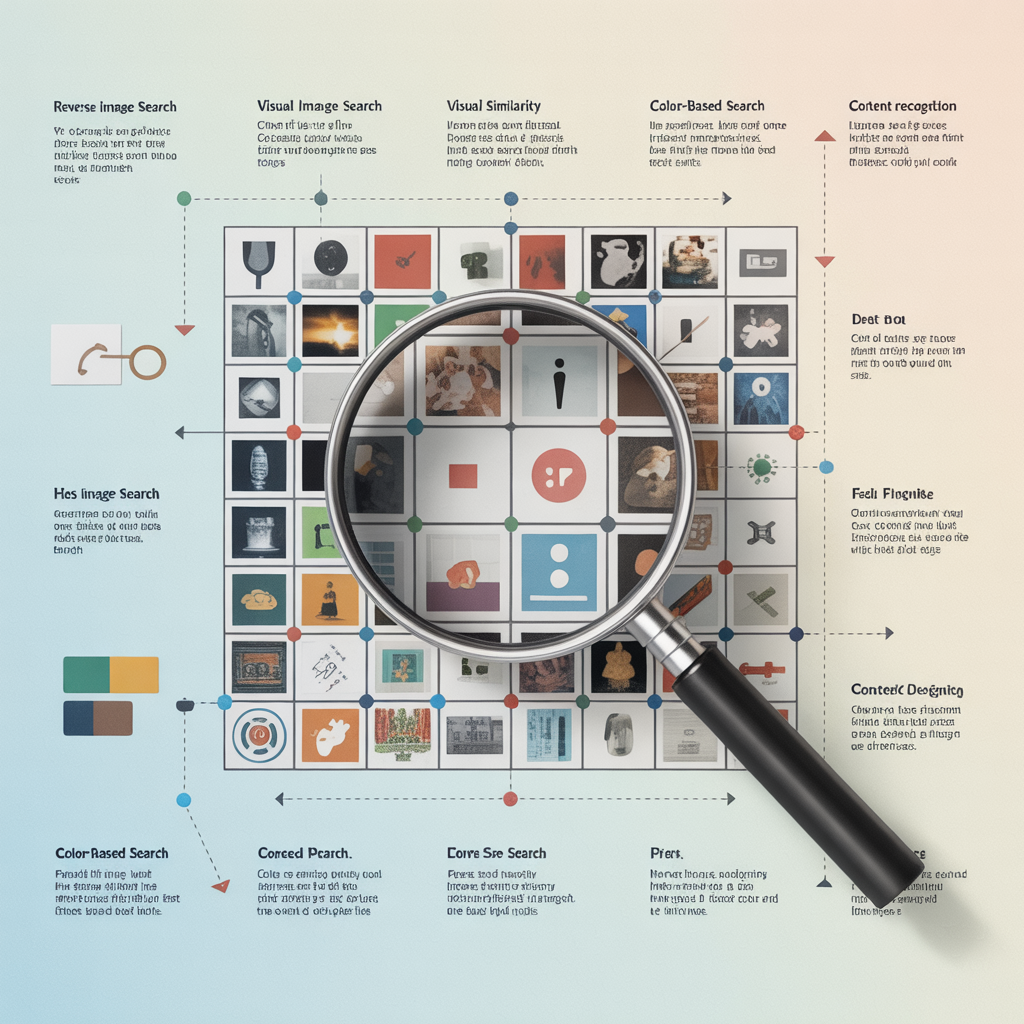
Image Search Techniques for SEO and Marketing
On the part of SEO, image search strategies are significant in enhancing the visibility of websites. By optimizing images using descriptive file names, alt attributes and other pertinent keywords, the level of exposure to image search results will be enhanced.
The well-optimized image of high quality can lead to high traffic generated by the image search engines as organic traffic. Companies that use effective image search strategies get an edge over their competitors by increasing brand awareness and user involvement of users.
Ethical and Legal Considerations
Although image search methods are very effective, it should be practiced responsibly. The copyright laws, privacy, and ethical standards are to be respected by the users when seeking and using images. Before getting into legal trouble, it is necessary to verify image licenses and give due credit.
Other aspects of ethical application of search techniques using images of images have also been included in not manipulating or abusing images in ways that may mislead viewers or cause a detriment to individuals or organizations.
Conclusion
With the image content taking over the digital arena, it has become more important to master the technique of searching for images. Starting with the reverse image search and keyword optimization, the methods of reverse image search and metadata evaluation make use of AI-driven analysis and optimization of the visual information, so that the user can reach the right and meaningful visual information.
In all your research, marketers, journalists, and even ordinary internet users, efficiency, credibility, and finding on the internet is enhanced by effective image search techniques. Image search is a potent tool of navigation in the image-dominated world today, using technology, strategy, and ethical practices.