
I9 Compliance in California: A Practical Guide for Employers and Business Owners

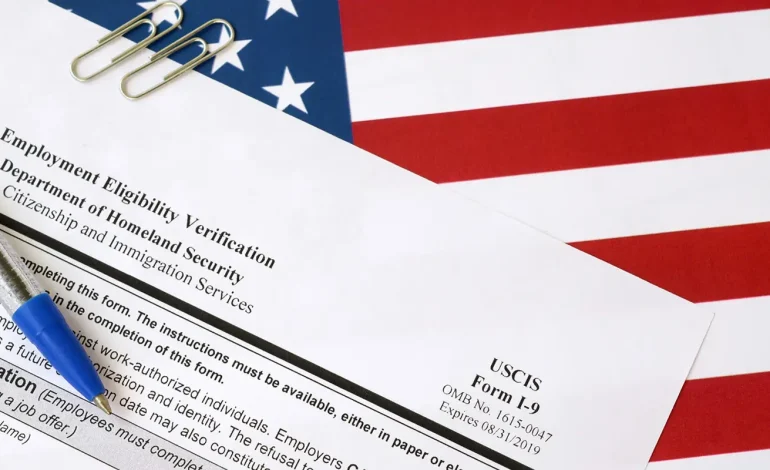
Running a business in California means wearing a lot of hats, and one of them involves paperwork that actually matters in a big way. The Form I-9 looks simple, yet it sits at the heart of hiring the right way. You verify who your new teammate is and that they’re authorized to work—then you keep that proof. Nakase Law Firm Inc. often works with employers who feel stuck on process questions, and getting I9 compliance right from day one saves a lot of stress later.
Here’s the twist that catches many teams: California adds its own guardrails on top of the federal rules to protect workers. So you’re checking boxes for the federal form, yes, but you’re also staying inside state lines on what you can ask for and when. California Business Lawyer & Corporate Lawyer Inc. frequently helps teams clean up new hire forms without tripping over state restrictions or timing rules.
Why the I9 Matters
At its core, the I-9 is a trust builder. On the employee’s first day, they fill out their section. Within three business days, you review acceptable documents and complete your part. That’s the short version. In practice, tiny slipups—wrong dates, missing initials, a document that doesn’t match—can snowball during an audit.
Picture a small café in Pasadena: three weekend hires, a busy morning rush, and the owner setting forms aside to handle customers. A week later, they realize Section 2 wasn’t finished on time. It feels minor. An auditor would not see it that way. Small timing errors can turn into fines.
What Employers Must Do
Think of the I-9 as a mini checklist you run every time:
• Employee completes Section 1 on day one
• You examine acceptable documents and finish Section 2 within three business days
• You keep the form for the right period (three years after hire or one year after separation, whichever lands later)
One more point that matters in California: don’t ask for particular documents. If an employee offers a passport, that’s their choice. Also, rechecking permanent residents with valid proof isn’t allowed unless federal rules say you must. These boundaries are there to prevent unfair treatment.
Walking the Line Between Federal and State Law
Here’s where many companies feel the squeeze. Federal law expects proper verification. California limits how E-Verify can be used and curbs extra document demands. So the safest move is to set a standard playbook and train managers to follow it the same way every time.
Take a contractor in San Diego who wants to run every applicant through E-Verify “just to be safe.” That instinct makes sense at a glance. In California, that approach can create state-level trouble unless a federal requirement applies. Good intentions don’t cancel out rules. A clear policy does.
If You Get It Wrong
Fines aren’t theoretical. They start small and scale with volume and severity. Repeat problems can turn serious. On top of that, California can impose penalties for misusing E-Verify or asking for extra documents.
Now imagine a notice from Immigration and Customs Enforcement landing in your inbox. You’ve got a short window to deliver tidy records. If the I-9s are scattered or incomplete, it disrupts normal work and puts everyone on edge. Teams that have gone through audits often say the same thing afterward: “I wish we’d run internal checks sooner.”
Field Notes and Mini Stories
A family-owned market in Orange County kept the I-9s in a box with personnel files. During an audit, the box became a time sink—mixing everything meant slower responses and more follow-up questions. After that experience, they created a separate I-9 file (with a simple index) and breathed easier next time documents were requested.
An e-commerce startup in San Jose hired fast for the holiday rush. One manager followed the checklist; another did things “from memory.” Guess which set had errors when they did a year-end review? They fixed it with a short training session and a one-page step list taped near the onboarding desk.
Simple Habits That Work
Here’s a set of habits that tends to keep companies out of trouble:
• Train the people who touch hiring, then refresh that training each year
• Run a quick internal review each quarter—pull a handful of forms and spot-check them
• Use the same steps every time; consistency beats guesswork
• Keep I-9s separate from personnel files to protect privacy and make retrieval easier
• Let employees pick from the official list of documents—no steering
Short, repeatable habits turn I-9 work into muscle memory. That’s the goal.
Where Lawyers Help
Plenty of teams call counsel not because something’s wrong, but because they want it to stay that way. An attorney can review your forms, tune your process, and run a mock audit so you see gaps before an agency does. If you do get an inspection notice, having someone experienced at the table changes the tone of the whole week.
One HR manager shared that their company received an inspection notice late on a Friday. They spent the weekend organizing files, logging dates, and preparing corrections. With counsel guiding the response, the team delivered clean records and avoided steep penalties.
Worker Protections You Can’t Ignore
California’s Immigrant Worker Protection Act (often called AB 450) narrows when and how employers can cooperate with immigration enforcement without a judicial warrant. The state also requires you to notify employees within 72 hours if you receive an inspection notice. This isn’t optional; it’s a real deadline that shows up in audits.
Think of that notice as a fairness step. Workers get time to ask questions and seek help if they want it. Employers who forget or skip the notice can face penalties from state agencies, which adds risk you don’t need.
Smart Use of Tech
Many businesses lean on electronic I-9 tools to cut down on clerical errors and keep records easy to find. That can be a good move. Just make sure any system you use checks the boxes for federal security and audit rules. In California, privacy expectations run high, so vendor choice matters. Ask how the system stores data, who can access it, and how you’ll export records on short notice.
Think of the software as the filing cabinet and the audit log as the lock on that cabinet. If both are solid, you sleep better.
Quick FAQs Managers Ask Each Other
Is the three-day window strict? Yes. Treat it like a hard stop.
Can I recheck a permanent resident’s proof “just in case”? No, not unless federal rules require it.
Do I have to keep I-9s forever? No—follow the retention timeframe and then let them go.
Should I mix I-9s with personnel files? Keep them separate. Retrieval is faster and privacy is cleaner.
Final Word
I9 compliance in California asks for consistency more than anything. A clear checklist, a bit of training, and a separate, organized file go a long way. The first week a new person joins, that little form sets the tone—done right, it shows care for the rules and for the person you’ve just welcomed to the team. With steady habits (and expert guidance when needed), you can keep the process simple, fair, and ready for any review that comes your way.