How to Register a Limited Company in the UK: A Complete Step-by-Step Guide for 2026

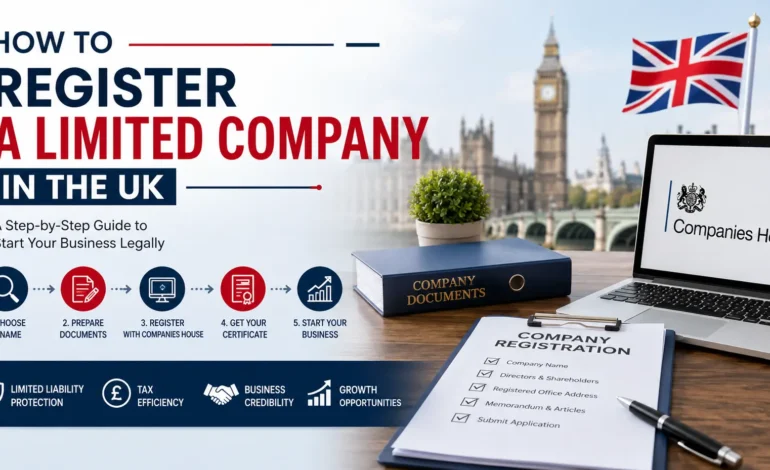
Starting a business in the UK is an exciting journey, but before you begin trading, one of the most important decisions is choosing the right business structure. For many entrepreneurs, freelancers, and startups, registering a limited company is often the preferred option because it provides legal protection, tax advantages, and greater credibility. According to official UK government data, millions of companies are registered with Companies House, making the limited company structure one of the most popular business entities in the country. Recent changes in Companies House regulations and fee increases in 2026 have made it even more important to understand the registration process correctly.
Before diving into the registration process, it helps to understand that forming a limited company creates a separate legal entity. This means the company exists independently from its owners, protecting personal assets if the business faces debts or legal claims. Whether you’re a UK resident or an overseas entrepreneur, this guide will walk you through everything you need to know about registering a limited company in the UK.
Understanding What a Limited Company Is
A limited company is a business structure where the company has its own legal identity separate from its owners. Think of it like a protective shield around your personal assets. If the company runs into financial trouble, shareholders are usually only liable for the value of their shares. This separation between personal and business finances is one of the main reasons entrepreneurs choose this structure.
In the UK, limited companies are regulated under the Companies Act 2006 and registered through Companies House. Once incorporated, the company receives a unique company number and a certificate of incorporation. This certificate acts like the company’s birth certificate, confirming its legal existence. Companies can enter contracts, own assets, and employ staff in their own name. The structure is especially attractive to startups seeking investment because investors often prefer dealing with incorporated businesses.
Types of Limited Companies in the UK
The most common type is a Private Limited Company (Ltd). This is typically used by small and medium-sized businesses. Public Limited Companies (PLCs), on the other hand, can sell shares to the public and are subject to stricter regulations. Most entrepreneurs setting up a new business choose a private limited company because it is simpler and more flexible.
Benefits of Registering a Limited Company
Why do so many entrepreneurs register a limited company? The answer lies in the advantages. Running a business as a sole trader may be straightforward, but it doesn’t provide the same legal and financial protection. A limited company creates a professional image and often makes it easier to secure funding or win contracts.
Limited Liability Protection
Limited liability is perhaps the biggest benefit. Imagine your business is a ship sailing through uncertain waters. Without limited liability, you are personally exposed to every storm. With a limited company, the ship has a protective hull. Personal assets such as your home or savings are generally protected from business debts.
Tax Efficiency and Credibility
Limited companies can also be more tax-efficient. Directors often combine salary and dividends to manage taxes legally and effectively. Clients and suppliers may also view a limited company as more established and trustworthy. This credibility can open doors to bigger contracts and partnerships. Many businesses find that incorporation enhances their brand image significantly.
Requirements Before Registration
Before registering your company, you need to prepare several key details. Skipping this step is like building a house without a blueprint—it often leads to delays and mistakes.
Choosing a Company Name
Your company name must be unique and not too similar to an existing business. Certain sensitive words require approval. The name also cannot be offensive or misleading. Conducting a company name search through Companies House is essential before submitting your application.
Selecting Directors and Shareholders
Every UK limited company must have at least one director. Directors are legally responsible for managing the company and ensuring compliance with regulations. Shareholders own the company through shares. In many small businesses, the same person acts as both director and shareholder.
Registered Office Address
You must provide a registered office address in the UK. This address appears on the public register and is used for official correspondence. Many businesses use their trading address, while others choose professional registered office services for privacy reasons.
Documents Needed for Company Formation
Registering a company requires specific legal documents. These documents define how the company operates and who owns it.
Memorandum of Association
This document confirms that the founding shareholders agree to create the company. It acts as a declaration of intent and is a mandatory part of incorporation.
Articles of Association
The Articles of Association establish the rules governing the company’s internal operations. These rules cover decision-making processes, director powers, and shareholder rights. Companies House provides model articles that many small businesses use during registration.
Step-by-Step Process to Register a Limited Company
Registering a company in the UK is easier than many people expect. With online systems, many businesses complete the process in less than a day.
Register Through Companies House
Companies House is the official UK government body responsible for company registration and maintenance of company records. All limited companies must register through this authority.
Online Registration
Online registration is the fastest and most popular method. Applicants provide company details, director information, shareholder data, registered office address, and SIC codes describing business activities. Once approved, Companies House issues the certificate of incorporation electronically.
Many online applications are processed within 24 hours, although some may take longer if additional checks are required. Recent reforms have introduced stronger identity verification measures to improve transparency and combat economic crime.
Paper Registration
Businesses can also register using Form IN01 through the postal system. However, paper applications are slower and typically take 8 to 10 days or longer for processing. This route is less common today because online registration is faster and more convenient.
Costs of Registering a Limited Company
Understanding registration costs helps entrepreneurs budget effectively. Companies House updated its fee structure in 2026, increasing several incorporation charges. According to official government guidance, online incorporation now costs £100, while paper applications cost £124. Same-day incorporation services are available for £156.
| Registration Method | Cost (2026) | Processing Time |
|---|---|---|
| Online Registration | £100 | Usually within 24 hours |
| Paper Registration | £124 | 8–10 days |
| Same-Day Registration | £156 | Same day |
Additional costs may include accountant fees, registered office services, and formation agent packages. Some entrepreneurs choose formation agents because they simplify the process and offer additional support. These packages often include compliance reminders and digital documentation.
What Happens After Registration?
Registering the company is only the beginning. Once incorporated, directors have several legal responsibilities. The company must maintain accurate financial records, file annual accounts, and submit confirmation statements to Companies House.
Corporation Tax registration with HMRC is another critical requirement. Businesses that hire staff must register for PAYE, while companies exceeding VAT thresholds may need VAT registration. Failing to meet compliance obligations can result in penalties or even company dissolution. Running a company is like maintaining a vehicle—you need regular servicing to keep it operating smoothly. Official records show that millions of active companies are maintained through ongoing compliance with Companies House regulations.
Common Mistakes to Avoid
Many new entrepreneurs make avoidable mistakes during company formation. One common error is selecting a company name without checking availability. Another is failing to understand director responsibilities. Directors have legal duties and can face penalties for non-compliance.
Poor record keeping is another frequent issue. Businesses should maintain organized accounting records from day one. Mixing personal and business finances can create tax complications and reduce the liability protection offered by incorporation. Some founders also overlook shareholder agreements, which can lead to disputes later. Taking time to set up the company correctly saves headaches down the road.
Another important consideration is understanding future compliance costs. For example, confirmation statement fees increased to £50 in 2026, reflecting Companies House reforms aimed at improving corporate transparency and fighting fraud.
Conclusion
Registering a limited company in the UK is a significant milestone for any entrepreneur. The process is relatively straightforward, but understanding each step ensures compliance and helps avoid costly mistakes. From choosing the right company name to filing documents with Companies House, every stage contributes to building a solid business foundation.
A limited company offers valuable benefits, including liability protection, tax efficiency, and increased credibility. With updated Companies House fees and regulatory changes in 2026, staying informed is more important than ever. Whether you’re launching a startup, expanding a side hustle, or entering the UK market as an international entrepreneur, incorporation can provide the structure needed for long-term growth and success.
FAQs
1. Can a non-UK resident register a UK limited company?
Yes. Non-residents can register a UK limited company, although they must provide a UK registered office address.
2. How long does it take to register a limited company?
Online applications are often processed within 24 hours, while paper applications can take 8 to 10 days or longer. (GOV.UK)
3. How much does it cost to register a company in the UK in 2026?
The standard online incorporation fee is £100, while paper applications cost £124. (GOV.UK)
4. Do I need an accountant to form a company?
No. You can register directly through Companies House, though many businesses use accountants or formation agents for support.
About The Author