Hottest Business Trends Influencing Workplace Productivity For 2026


Enhancing productivity at work has become a major concern for corporations across the globe. Today, because of the emergence of new breakthrough technologies and changing demographics will no longer be driven by old-fashioned productivity paradigms. Rather than forcing teams to work longer hours, companies are exploring smarter systems, more effective tools and the welfare of workers. Here are the important developments that have been affecting the way we work in 2026.
The Growing Role of Virtual Assistants
Nowadays, virtual assistants have become one of the most powerful productivity aids in everyday office life. These AI-powered helpers take care of mundane office duties, like scheduling meetings, reading and responding to emails, creating reminders and organising calendars. They relieve you of repetitive tasks, so that you can concentrate on strategic and creative duties.
Internal communicationMany are also using virtual assistants to enhance internal communication. That might include keeping tabs on project updates, offering next-step suggestions and flagging overdue to-do’s. This minimizes confusion, frees up time and ensures that teams stay on track with goals — which helps improve efficiency overall.
Hybrid Work Modls and Flexibility in Scheduling
Hybrid work is no longer a stopgap — it’s the new normal in business. The option to work remotely and in-office offers employees more flexibility and autonomy with their schedules, encouraging higher engagement and productivity.
Flexible work times also allow employees to work at the hours they are most efficient. In an effort to facilitate this new way of working, organizations are also pouring their resources into cloud-based tools and collaboration platforms — as well as project management software. These are the tools which will help team’s communicate and keep working together, no matter where in the world employees are based.
Making the Health of the Workforce a Priority to Sustain Productivity
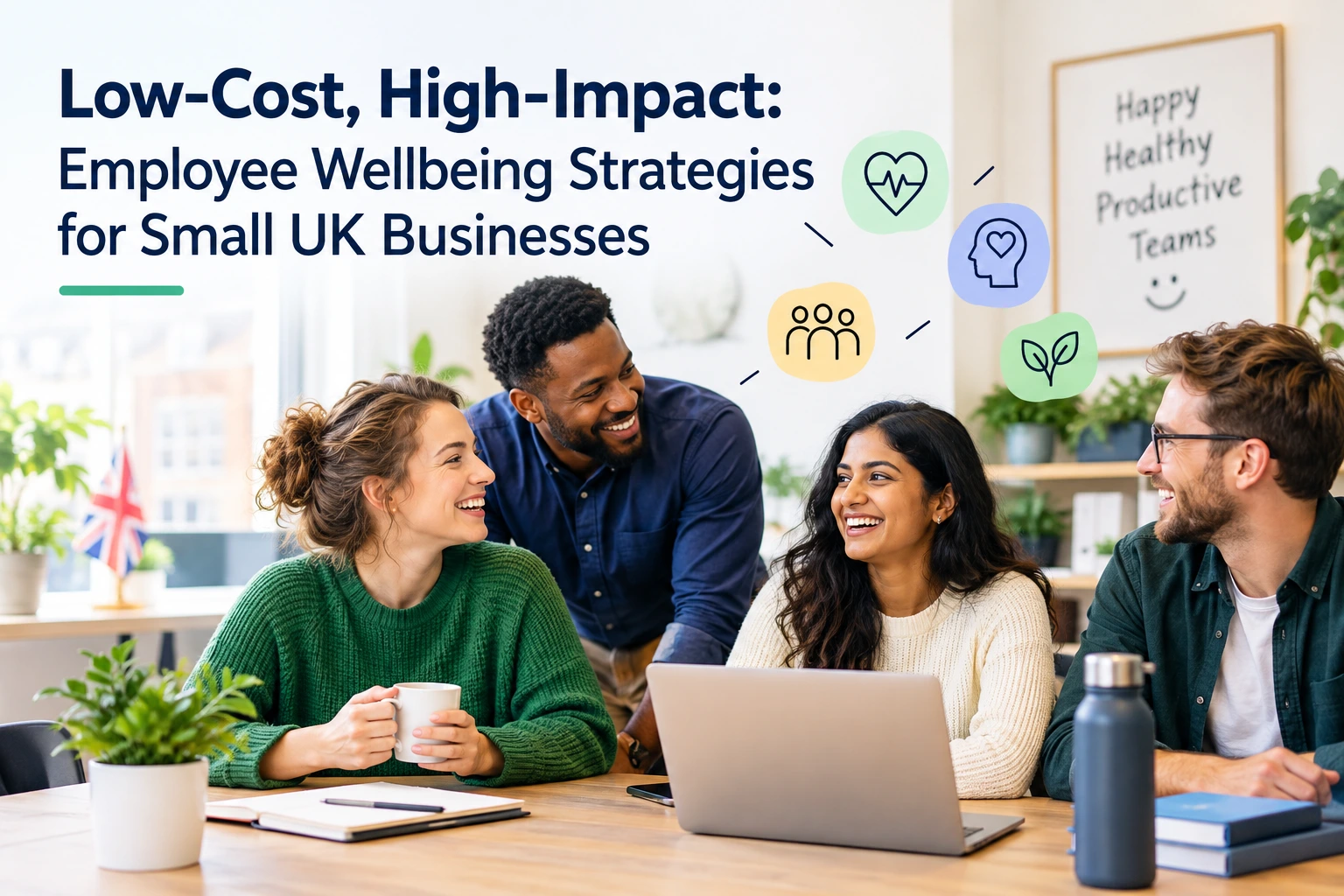
The well-being of employees is now seen as a central driver of productivity. Companies are paying more attention to wellness programs that address not only physical health but also mental well-being. These featured mental health resources, ergonomic workspaces, fitness programs, mindfulness sessions and designated mental health days.
When employees feel that they are supported and appreciated, they perform better, are more engaged and have lower burnout. Thus, the result is less absenteeism and more retention in addition to sustainable productivity over time.
Smarter Decisions Through Data-Driven Insights
Big data analysis is having a big impact on how to increase productivity in the workplace. Decades later, companies are employing data to review their workflows and spot inefficiencies where they can be trimmed. Analytical insights aid managers in making decisions and allocating resources more efficiently.
Predictive analytics and AI solutions can take it an extra step further by recognizing risks even before they impact productivity. For example, they can indicate projects that might be at risk of delays so managers can take corrective action to maintain progress.
Automating Repetitive and Time-Consuming Tasks
Automation is past early stage one tricks and is now in the fabric of business as usual. Payroll processing, invoicing, customer support and inventory management is automated more than ever before, minimizing mistakes and saving time.
Tools for workflow automation also integrate disparate systems and applications, delivering continuity in data movement between departments. This reduces the need for manual rule based intervention and accelerates the pace of work, freeing up workers to concentrate on more high-value activities that require problem solving and creativity.
Continuous Learning and Employee Upskilling
In an ever-evolving business world, learning is no longer a nice-to-have. Enterprises are making an investment in upskilling to ensure that their employees remain competitive and self-assured, fulfilling objectives within the jobs they have. A huge variety of resources are available to help people develop such as online courses, microlearning sessions, workshops and mentorship programmes.
A dynamic workforce that is always learning is a more flexible, creative and productive one. Through marrying learning opportunities with the correct technology, businesses can cultivate an environment that promotes innovation without adding too much pressure to their employees.
Conclusion:
It’s no longer about the race to do more in less time. Instead, it’s about making smarter systems that are conducive to efficiency, flexibility and well-being. Virtual assistants, hybrid workforces, health and wellness programs, data-driven strategies, automation, continuous learning — it’s all shifting the way business is done.
Adopting such trends can help companies in enhancing productivity, retaining and engaging employees and gaining the competitive edge even in a dynamic business environment.
About The Author