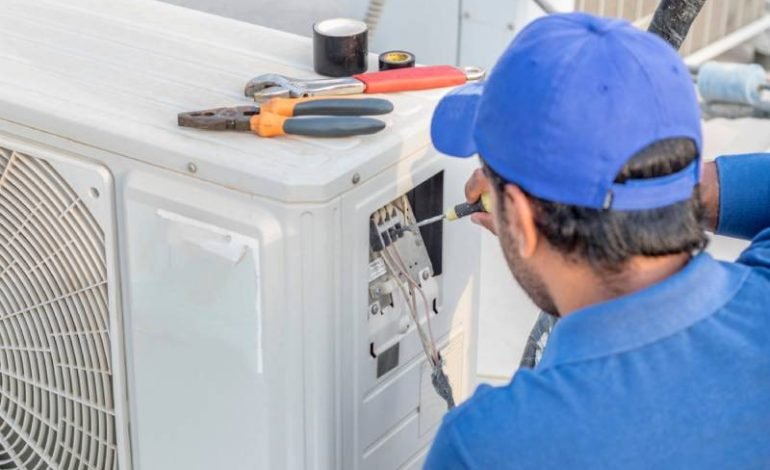
Why Safety Audits Are Essential for Property Owners


Property owners who want to provide safe and compliant surroundings for tenants and guests depend on regular safety checks. By methodically analysing possible dangers and evaluating risks, these audits help property owners proactively handle safety issues before they become major problems. In addition to protecting people, this improves the property’s standing, builds tenant confidence, and might result in financial gains like lower insurance rates. In the end, giving safety priority through frequent audits is a wise investment in both the property’s long-term viability and the residents’ welfare.
Importance of regular safety audits
Regular safety audits are crucial for ensuring properties satisfy health and safety criteria. They also help spot hazards and enforce required improvements. This proactive strategy protects renters and guests and improves the property’s standing, possibly lowering insurance costs. Click here to learn more about how these audits can benefit property owners comprehensively.
Potential risks and liabilities
Ignorance of comprehensive safety checks could expose property owners to several hazards and responsibilities. The ignorance of neglected maintenance problems like structural flaws or poor wiring could cause mishaps that damage people and cause expensive legal claims. Further taxing financial resources and non-compliance with safety rules could draw fines and penalties from regulatory agencies. Ignoring these possible risks puts property owners in danger of tarnishing their reputation and losing tenant confidence, affecting occupancy rates and general profitability.
Compliance with regulations and standards
Property owners must follow certain rules and guidelines since they guarantee the safety and well-being of all inhabitants. Frequent safety audits enable early corrections that fit legal criteria by helping to find places where compliance might be inadequate. This not only lessens the possibility of fines but also shows a dedication to preserving safe surroundings, which can raise tenant retention and satisfaction. Property owners may better negotiate the complexity of compliance by keeping educated on evolving laws and industry best practices, therefore protecting their investments and promoting a culture of safety.
Benefits of proactive safety measures
Proactive safety measures can greatly improve a property’s general management, thereby creating safe surroundings for all its residents. By addressing possible dangers before they become major problems, property owners safeguard people and lower the possibility of expensive repairs and legal conflicts. Because occupants of a well-kept flat feel safer and more cherished, this forward-looking strategy can result in higher tenant satisfaction. Moreover, showing a dedication to safety can draw fresh renters and raise retention rates, helping the property be profitable over the long run.
Conclusion
To keep compliance with health and safety rules and protect the welfare of tenants and guests, property owners must thus routinely conduct safety audits. Property owners reduce risks and liabilities and improve their reputation and financial situation by early recognition and resolution of such dangers. Tenant satisfaction and retention brought about by a safe atmosphere eventually help the property succeed. A commitment to regular safety measures also ensures a proactive approach to evolving safety standards. Property owners can build a safe and vibrant community that benefits all engaged by prioritising safety through regular audits and upgrades.
About The Author