
Roll Holders: Essential Tools for Organized Living

Introduction
In the realm of home organization and utility, roll holders play an often underestimated but crucial role. These tools, designed to hold and dispense rolls of various materials like paper towels, toilet paper, and kitchen foil, contribute significantly to the convenience and efficiency of daily tasks. This comprehensive article explores the different types of roll stands, their materials, innovative designs, and the importance of their use in various settings. By understanding the versatility and utility of roll holders, homeowners and business operators can make informed choices that enhance organization and functionality in their spaces.
Types of Roll Holders
Roll holders are available in a variety of designs and functionalities to cater to specific needs. Here, we categorize them based on their application and design:
1. Kitchen Roll Holders
Kitchen roll Stands are designed to hold and dispense kitchen paper towels. They come in different styles, each offering unique benefits:
a. Countertop Roll
These are free-standing holders placed on kitchen counters. They are easily accessible and come in various materials such as stainless steel, wood, and plastic.
- Advantages: Portable, easy to move, and can be placed anywhere on the counter.
- Disadvantages: Can take up counter space and may tip over if not heavy enough.
b. Wall-Mounted Holders
Wall-mounted holders are fixed to the wall, saving counter space and providing a permanent location for paper towels.
- Advantages: Saves counter space, stable, and always within reach.
- Disadvantages: Installation required, fixed location may not be convenient for all users.
c. Under-Cabinet Holders
These holders are mounted under kitchen cabinets, providing a discreet and space-saving solution.
- Advantages: Saves counter space, hidden from view, and convenient.
- Disadvantages: Installation required, limited to specific locations.
2. Toilet Holders
Toilet roll holders are essential in bathrooms for holding and dispensing toilet paper. They are available in several styles:
a. Wall-Mounted Toilet Roll Stands
These are the most common type, fixed to the bathroom wall near the toilet.
- Advantages: Saves floor space, easy to install, and keeps toilet paper within reach.
- Disadvantages: Fixed position may limit flexibility in small bathrooms.
b. Freestanding Toilet Holders
Freestanding holders can be placed anywhere in the bathroom, offering flexibility and ease of use.
- Advantages: Portable, no installation required, and can hold multiple rolls.
- Disadvantages: Takes up floor space and may be less stable.
c. Recessed Toilet Roll Holders
Recessed holders are built into the wall, providing a sleek and space-saving solution.
- Advantages: Saves space, elegant design, and reduces clutter.
- Disadvantages: Requires professional installation, not easily relocated.
3. Industrial Holders
In industrial settings, holders are used for larger rolls of materials like paper, plastic wrap, and cloth. These holders are designed for durability and heavy-duty use.
a. Floor-Standing Industrial Roll Holders
These are sturdy, freestanding holders designed for easy access and mobility.
- Advantages: Durable, portable, and can hold large rolls.
- Disadvantages: Takes up floor space, can be heavy and bulky.
b. Wall-Mounted Industrial Roll Holders
Designed to save floor space and provide easy access, these holders are fixed to the wall.
- Advantages: Saves floor space, stable, and durable.
- Disadvantages: Installation required, limited to fixed location.
4. Specialty Roll Holders
Specialty roll stand cater to specific needs, such as holding aluminum foil, plastic wrap, or parchment paper in kitchens, or medical paper rolls in clinics.
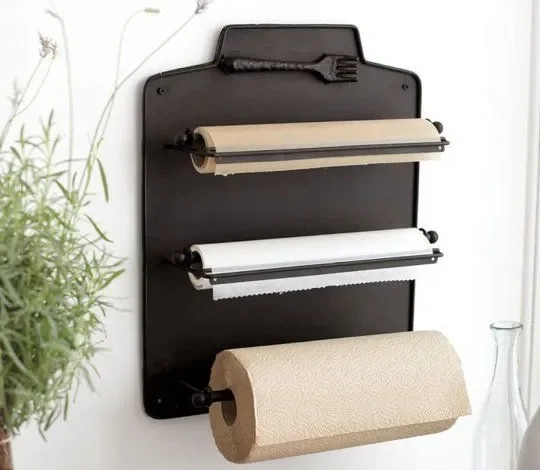
a. Multi-Roll Holders
These holders can accommodate multiple types of rolls simultaneously, offering versatility in kitchens and workshops.
- Advantages: Versatile, saves space, and convenient.
- Disadvantages: Can be complex to install, may be larger in size.
b. Magnetic Roll Stand
Magnetic holders attach to metal surfaces, providing a portable and flexible solution.
- Advantages: Easy to install, portable, and versatile.
- Disadvantages: Limited to metal surfaces, may not be as stable as fixed holders.
Materials Used in Roll Holders
The material of a roll holder affects its durability, aesthetic appeal, and suitability for different environments. Common materials include:
1. Stainless Steel
Stainless steel is a popular choice for roll stand due to its durability, resistance to corrosion, and sleek appearance.
- Advantages: Durable, rust-resistant, easy to clean, and modern look.
- Disadvantages: Can be more expensive, may show fingerprints and smudges.
2. Plastic
Plastic roll are lightweight and cost-effective, available in a variety of colors and designs.
- Advantages: Affordable, lightweight, and easy to clean.
- Disadvantages: Less durable, may crack or break over time, and less environmentally friendly.
3. Wood
Wooden roll add a rustic and natural touch to kitchens and bathrooms.
- Advantages: Aesthetic appeal, sturdy, and eco-friendly options available.
- Disadvantages: Can be susceptible to moisture damage, requires maintenance.
4. Aluminum
Aluminum holders are lightweight, rust-resistant, and often used for modern designs.
- Advantages: Lightweight, durable, and rust-resistant.
- Disadvantages: Can be less sturdy than stainless steel, may dent or scratch.
5. Chrome
Chrome-plated holders offer a shiny, polished finish and are commonly used in bathrooms for their stylish appearance.
- Advantages: Attractive finish, durable, and easy to clean.
- Disadvantages: Can be more expensive, may require polishing to maintain shine.
Innovative Designs in Roll Holders
Innovation in roll holder design focuses on enhancing functionality, convenience, and aesthetics. Some of the notable innovations include:
1. Automatic Roll Dispensers
Automatic dispensers use sensors to dispense paper towels or toilet paper without the need for physical contact. This feature promotes hygiene, especially in public restrooms and kitchens.
- Advantages: Touch-free operation, reduces waste, and promotes hygiene.
- Disadvantages: Requires batteries or electricity, can be more expensive.
2. Multi-Functional Roll
Multi-functional holders combine the storage of rolls with additional features like built-in shelves, hooks, or compartments for storing other items such as cleaning supplies or toiletries.
- Advantages: Space-saving, versatile, and convenient.
- Disadvantages: Can be more complex in design, may require more space.
3. Adjustable Roll Holders
Adjustable holders can accommodate rolls of different sizes, providing flexibility for various uses.
- Advantages: Versatile, can fit multiple roll sizes, and adjustable design.
- Disadvantages: May be more complex to use, potential for mechanical issues.
4. Eco-Friendly Roll Holders
Eco-friendly designs use sustainable materials and processes, promoting environmental responsibility. These holders are often made from recycled materials or designed to be fully recyclable.
- Advantages: Environmentally friendly, promotes sustainability, and often stylish.
- Disadvantages: Can be more expensive, limited availability.
The Importance of Holders
Roll holders are essential for maintaining organization, convenience, and hygiene in various settings. Here’s why they are important:
1. Organization
Roll holders help keep spaces tidy by providing a designated spot for rolls, reducing clutter, and making it easier to find and use paper towels, toilet paper, and other materials.
2. Convenience
Having a roll holder within easy reach makes it convenient to access and use the materials you need, whether in the kitchen, bathroom, or workplace.
3. Hygiene
Roll holders, especially touch-free or covered designs, help maintain hygiene by preventing contamination of rolls. This is particularly important in public restrooms and kitchens.
4. Efficiency
Roll holders, especially those with automatic or easy-tear features, improve efficiency by making it quicker and easier to dispense the right amount of material.
5. Aesthetics
Well-designed roll holders can enhance the aesthetic appeal of a space, adding to the overall decor and ambiance.
Best Practices for Using Roll Holders
To maximize the benefits of roll holders, it’s important to use them effectively. Here are some best practices:
1. Correct Placement
Place roll holders in convenient and accessible locations. In kitchens, mount or place them near work areas or sinks. In bathrooms, position toilet holders within easy reach from the toilet.
2. Regular Refilling
Ensure that rolls are regularly refilled to avoid running out of essential materials. In commercial settings, designate staff to check and refill holders as part of their routine.
3. Clean and Maintain
Regularly clean and maintain roll holders to keep them hygienic and in good working condition. This is particularly important for holders in kitchens and bathrooms.
4. Choose the Right Type
Select the appropriate type of roll holder based on the specific needs and space available. Consider factors such as installation requirements, space constraints, and user convenience.
5. Use Eco-Friendly Options
Opt for eco-friendly roll holders and materials whenever possible. This not only promotes sustainability but also sets a positive example for others.
Innovations and Trends in Roll Holders
The world of roll holders is continually evolving, with new innovations and trends emerging to enhance functionality, convenience, and aesthetics. Some of the current trends include:
1. Smart Roll Holders
Smart roll holders integrate technology to offer features like automatic dispensing, roll usage tracking, and even voice control. These holders are designed to provide a seamless and convenient user experience.
2. Minimalist Designs
Minimalist roll holders focus on simplicity and elegance, using sleek materials and clean lines to complement modern decor styles.
3. Customizable Options
Customizable holders allow users to personalize the design, color, and features to match their specific preferences and needs.
4. Eco-Conscious Products
With increasing awareness of environmental issues, there is a growing trend towards eco-conscious holders made from sustainable materials and designed for long-term use.
5. Multi-Functional Furniture Integration
Some roll holders are integrated into multi-functional furniture pieces, such as kitchen islands or bathroom vanities, providing a seamless and space-saving solution.
Conclusion
Roll holders are essential tools that contribute significantly to organization, convenience, and hygiene in various settings. By understanding the different types, materials, and innovative designs available, individuals and businesses can make informed choices that enhance their spaces. Proper use and maintenance of can improve efficiency, promote hygiene, and add to the aesthetic appeal of a home or workplace. As innovations continue to emerge, will undoubtedly play an increasingly important role in our daily lives, offering enhanced functionality and sustainability.