How Smart Thermostats Maximise Heat Pump Efficiency

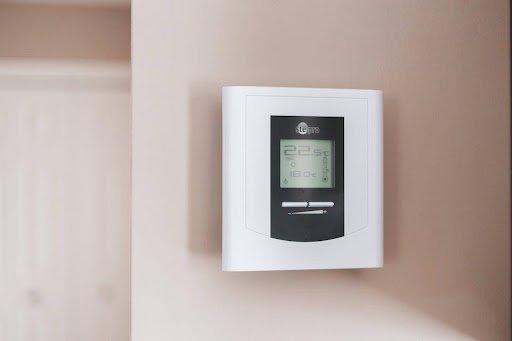
The popularity of heat pumps is part of a larger trend towards heating systems that use less energy and produce less carbon. Heat pumps are inherently energy-efficient, but their use and control can affect their performance. Smart thermostats keep these systems working smoothly by balancing comfort, energy savings, and system health.
According to GSM Limited (gsmlimited.com), smart controls and green heating are increasingly important in homes and businesses. You can save money with a heat pump and a standard thermostat, but a smart thermostat can improve system performance.
How Heat Pumps Work
Heat pumps perform best when they deliver heat at low temperatures over an extended period, unlike conventional boilers, which reach high temperatures and then cool rapidly. Frequent on/off cycles or temperature fluctuations can reduce system efficiency and wear parts more quickly. This operating profile helps smart thermostats maintain consistent temperature and avoid demand spikes that waste energy.
Smart thermostats monitor a building’s temperature and the system’s response to determine how to keep it warm. They adjust how they heat to keep the heat pump running. The better it works year-round, the less it turns on and off.
Scheduling and Managing Loads Based on Demand
The versatility of smart thermostats is one of their best features. Most of the time, traditional timers assume a room has a fixed number of people and how they use it. Smart thermostats only send heat when it’s needed, based on changing schedules, weather, and the home’s heat gain.
A flexible schedule saves energy and keeps people happy. This implies that heat pumps will run for longer periods at their optimal output levels, saving energy and improving comfort.
Control Based on the Weather and Predictions
Some smart heaters use weather data to estimate the outdoor temperature. Before the temperature drops, the device can gradually adjust the output to optimise the heat pump’s performance. This way of predicting the future is vital when it’s cold and more individuals are using the system.
Weather compensation keeps flow temperatures moderate while still meeting heating needs. Reducing flow temperatures improves heat pump performance, lowers energy bills, and reduces CO₂ emissions.
Heated Areas and Tailored Comfort
Smart thermostats enable control of temperature in buildings with multiple zones. Heating places that aren’t used very often wastes energy. Zonal management ensures that power is routed where it needs to go.
This customized plan keeps heat pump loads steady. The system is more reliable and efficient because it doesn’t have to handle sudden demands across the entire house. The tools last longer, and the system is more dependable.
Tracking, Insights, and User Behaviour
A smart thermostat shows how much energy you’re using and how well your system is performing. With clear heating trend information, users may better understand how their actions affect energy use. This input fosters better habits, such as not turning up the thermostat when it’s not needed or changing plans based on attendance.
Heating That Works Better
Smart thermostats make things easier and help heat pumps operate more efficiently in homes. If your operation matches how they work, heat pumps can be more efficient, more comfortable, and more durable. As demand for green heating systems grows, smart controls will be needed to improve their performance.